Why do tungsten rivets outlast silver?
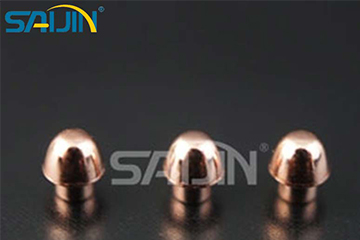
A tungsten rivets contact with 3,400°C melting point resists arc welding. 99.95% pure W, powder metallurgy compact, ≥19.0 g/cm³ density, 680 HV hardness. For horns, relays, contactors, breakers.
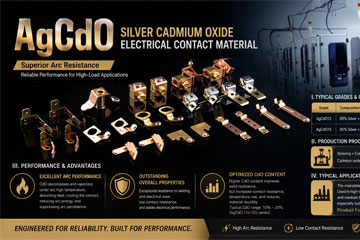
An electrical contact points failure at 30,000 cycles traces to material‑load mismatch. Powder‑metallurgy units from Saijin use AgSnO₂, AgNi, or AgCdO, handle 5‑50A, 12‑690V, pass 24h salt spray and 2000V...
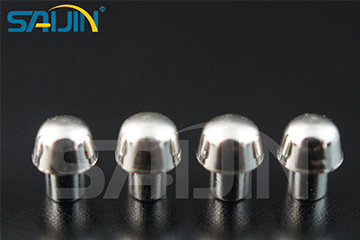
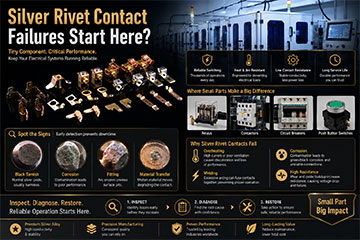
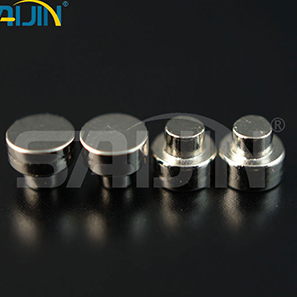
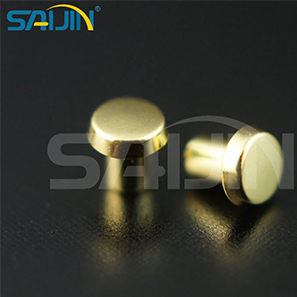
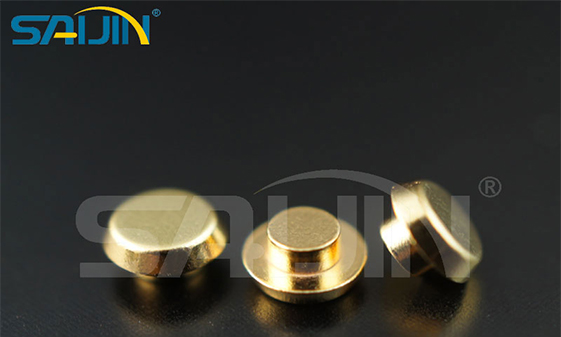
A silver rivet contact with solid brass eliminates bimetal interface failure. Saijin’s solid brass rivets offer 40% better impact resistance, ≥3μm silver plating, cold‑heading.
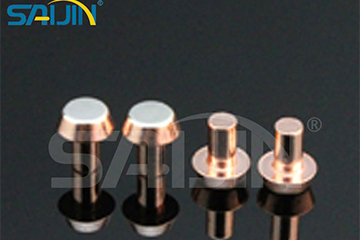
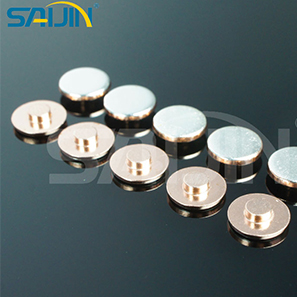
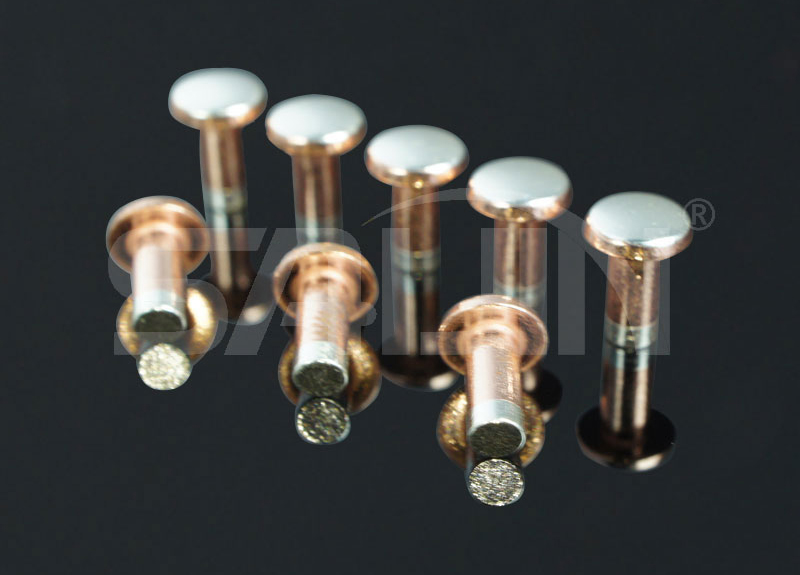
A silver rivet contact made from AgSnO₂ on a copper shank outperforms AgCdO by 2x in high‑current contactors. Saijin’s Electrical Relay Silver AgSnO₂/Cu Bimetal Rivets are press‑bonded, RoHS/REACH complian...
Different silver contacts exhibit varying levels of conductivity, hardness, arc resistance, and wear performance, allowing them to meet diverse electrical load, environmental, and durability requirements a...
Electrical contact points are essential components that enable reliable electrical switching and current transmission, with performance determined by material selection, manufacturing quality, and proper d...
No single best contact material. Choice depends on current, environment, wear, temperature, cost. Top options: silver, copper, gold/palladium, tungsten alloys.
Alloy wire combines multiple metals to deliver superior strength, corrosion resistance, and heat stability, making it widely used in electronics, heating equipment, aerospace, medical devices, and precisio...
Rivet contacts are durable, cost-effective electrical contacts that provide stable conductivity and long service life in switches, relays, and control devices.
An electrical contact is a conductive component that connects or disconnects a circuit to control the flow of electric current.
For safe, effective cleaning: disconnect power, use contact cleaner/alcohol, treat corrosion with baking soda, dry thoroughly, apply dielectric grease.