China
China Pусский
 Español
 EN
ENDo Bimetal Rivet Contacts Meet Your Quality Standards?
You're designing a relay, a switch, or a thermostat. The contact material determines how well the device performs—and how long it lasts. Pure silver offers excellent conductivity but comes at a premium. Copper handles current well but lacks silver's contact resistance properties. The ideal solution combines the strengths of two different metals in one component. But the real question is: can you trust the quality of a bimetal contact?
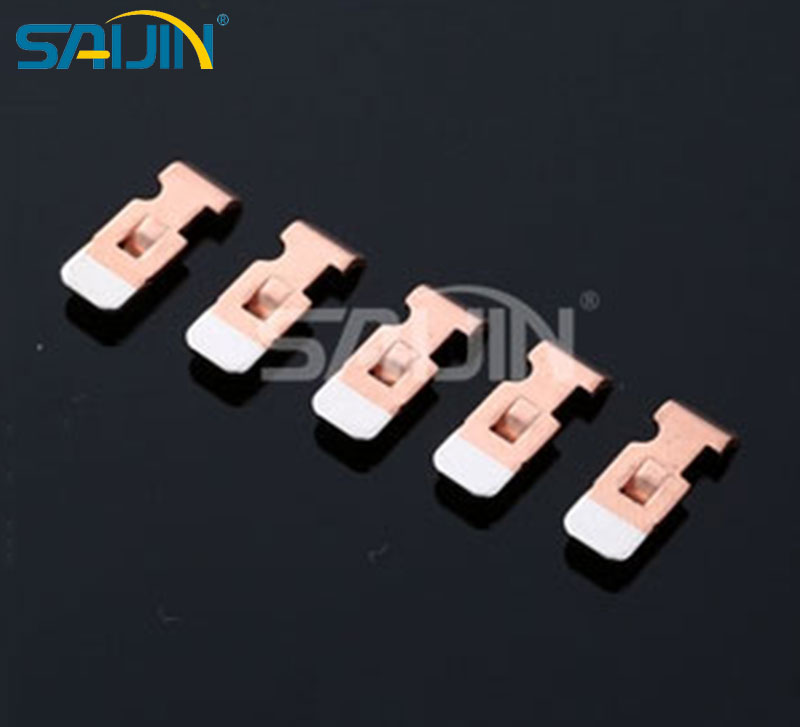
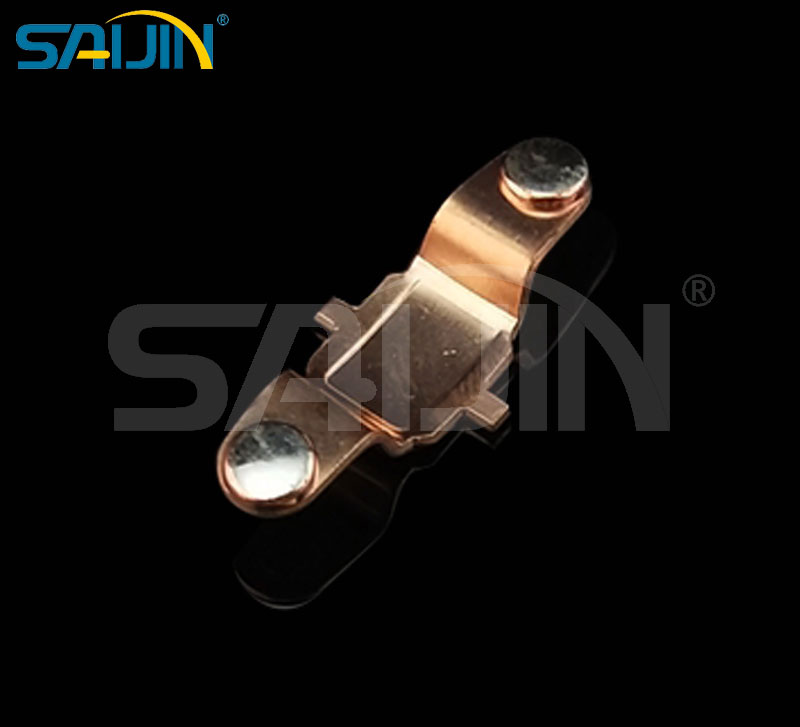
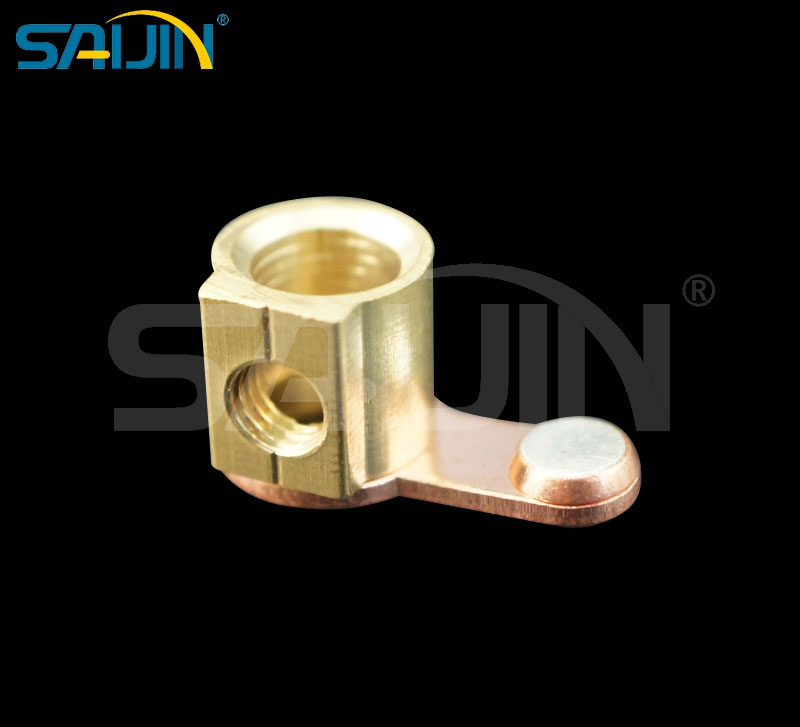
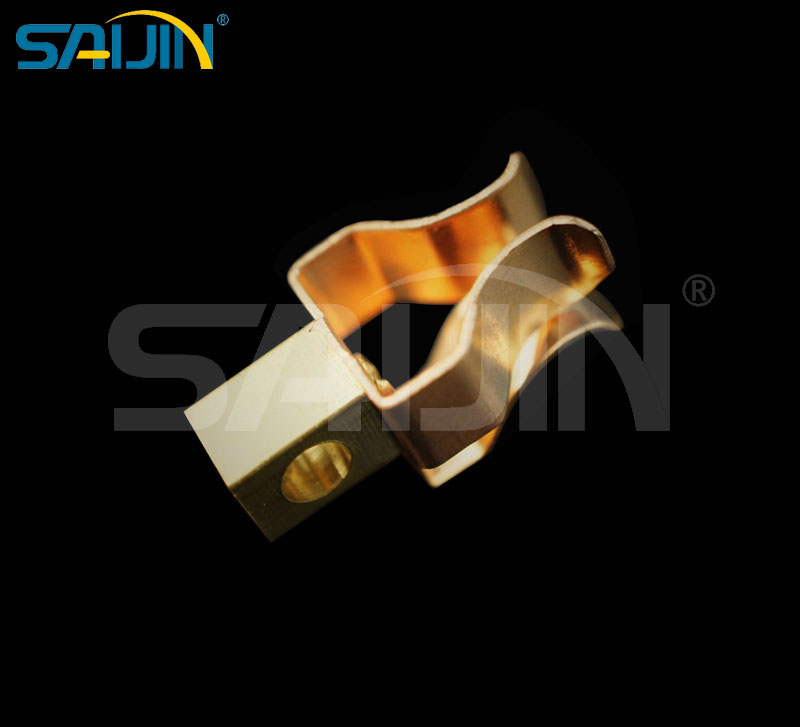
Bimetal rivet contacts are engineered to meet rigorous quality standards. By combining a silver alloy contact surface with a copper-nickel base, these components deliver the conductivity and arc resistance of silver where it matters most—on the contact surface—while the base provides structural strength and cost efficiency. Saijin manufactures these bimetal rivets with over 20 years of experience, backed by a multi-stage quality assurance process that includes material hardness testing, assembly line random inspection, and automatic contact detection. This guide covers what makes bimetal rivet contacts reliable, how Saijin's quality control works, and what to look for when evaluating suppliers.
Silver performance, copper price — the best of both
The key to bimetal rivet contacts is the combination of two materials with complementary properties.
Silver surface — where contact resistance matters most
The contact surface, where the electrical connection is made, uses a silver-based alloy—typically silver-nickel (AgNi), silver-cadmium oxide (AgCdO), or silver-tin oxide (AgSnO). These materials offer low and stable contact resistance, excellent arc resistance, and high thermal and electrical conductivity. They ensure reliable switching even under heavy loads and frequent operation.
Copper base — strength without the silver price tag
The base of the rivet is typically made of copper-nickel (CuNi) or another copper alloy. This material provides the mechanical strength to withstand the riveting process, good electrical conductivity, and thermal stability. By using a copper-nickel base instead of solid silver, manufacturers significantly reduce material costs while maintaining structural integrity where it's needed.
The bond that survives heat, vibration, and time
The two materials are bonded together with high strength, ensuring the contact surface remains securely attached to the base throughout the life of the component. Saijin's bimetal rivets are known for their strong bonding, resisting separation under the mechanical stresses of switching and environmental conditions. The result is a contact that lasts significantly longer than a single-metal alternative.
From automotive to appliances — where they work
Bimetal rivet contacts are used wherever reliable, durable electrical contacts are required.
Relays, thermostats — anything that switches repeatedly
In these devices, the contact must make and break circuits thousands or millions of times. Bimetal rivet contacts provide the arc resistance and low contact resistance that these applications demand. The rivet design ensures consistent mounting pressure, which is critical for maintaining performance over millions of cycles.
Automotive — where components earn their keep
From turn signals to power windows, modern vehicles contain dozens of switches and relays. The harsh environment—vibration, temperature extremes, and exposure to moisture and contaminants—demands robust components. Bimetal rivet contacts meet these demands while offering cost-effective manufacturing for high-volume automotive production.
Off-the-shelf won't work? We'll build it
Not every application uses a standard part. Saijin offers custom bimetal rivet contacts manufactured to customer drawings and requirements. The R&D team creates molds for specific products, ensuring the contact geometry matches the application's mechanical and electrical requirements. This customization is essential for specialized medical, aerospace, and industrial equipment.
Quality control that never stops
For electrical contacts, quality is not optional. Saijin's manufacturing process includes rigorous inspection at every stage.
From ingot to inspection — fully traceable
The quality control process starts with incoming material hardness testing. It continues through assembly line random inspection, automatic contact detection equipment, and projection detection. This comprehensive approach ensures consistent quality from the first part to the millionth. Saijin's products meet EU RoHS and REACH requirements, with complete certificates available.
Engineering support from the first sketch
Saijin provides technical support and consulting, sample verification, and production flexibility to meet your specific requirements. The company's integrated R&D and production team ensures a seamless connection from design to manufacturing. With over 20 years of experience, the team can provide guidance on material selection, contact design, and application-specific considerations.
-1453.jpg)
Three questions to ask before you buy
Q: Solid silver vs. bimetal — where's the trade-off?
A: Bimetal rivet contacts offer significant cost savings without sacrificing performance. The silver alloy surface provides the essential electrical properties—low contact resistance and arc resistance—exactly where needed, while the copper-nickel base provides structural strength at a lower cost. This combination makes them particularly attractive for high-volume applications.
Q: AgNi, AgCdO, AgSnO — which alloy fits your load?
A: The most common alloys for the contact surface are silver-nickel (AgNi), silver-cadmium oxide (AgCdO), and silver-tin oxide (AgSnO). The choice depends on the switching load and environmental conditions. AgNi is a good general-purpose choice, offering low contact resistance and good arc resistance. AgCdO has been a standard for many years but is being replaced by AgSnO in some applications due to environmental considerations.
Q: Consistency — how is it guaranteed?
A: Saijin employs a multi-stage quality control process that includes incoming material hardness testing, assembly line random inspection, and automatic contact detection using advanced equipment. This comprehensive approach ensures that every batch of bimetal rivet contacts meets the required specifications for electrical and mechanical performance.
How Saijin supports your component design
Saijin has been manufacturing electrical components for over 20 years. The company specializes in bimetal rivet contacts and other contact solutions, serving a wide range of industries. Its integrated team covers research and development, production, sales, and customer service, ensuring support throughout the product lifecycle.
The company's capabilities include custom manufacturing based on customer drawings, sample verification before production, and production flexibility to meet volume and timeline requirements. Saijin's quality certifications, including RoHS and REACH compliance, provide additional assurance for engineers and procurement teams.
Before you specify contacts for your next design, consider the total cost of ownership. Bimetal rivet contacts deliver the performance of silver where it matters most, at a price that keeps your product competitive.
Ready to evaluate bimetal rivet contacts for your application? Contact Saijin for a consultation, sample verification, or custom mold development. Share your application type, electrical load, and environmental requirements—their team can recommend the right bimetal rivet contact for your specific needs.