China
China Pусский
 Español
 EN
ENThe Characteristics Of Different Silver Contacts
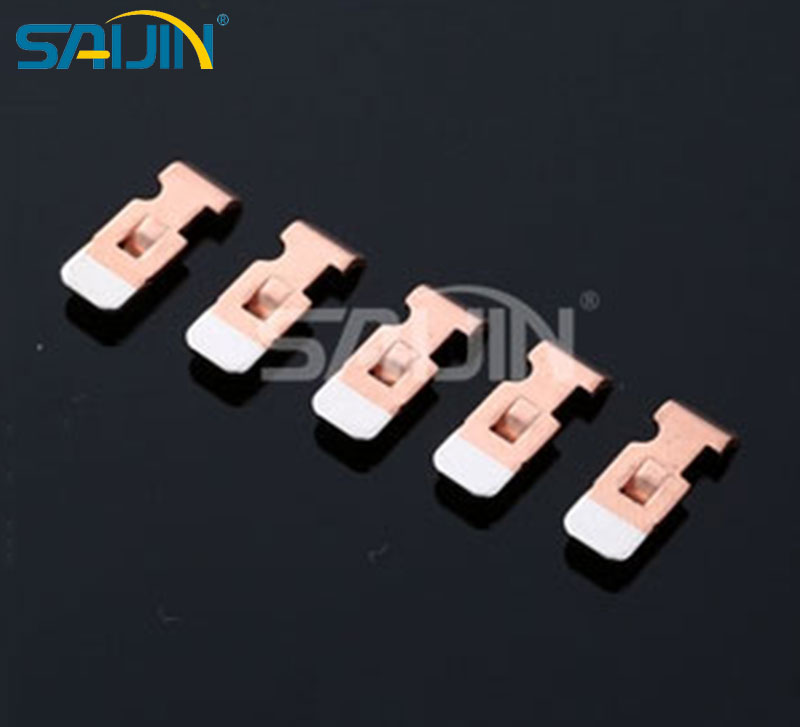
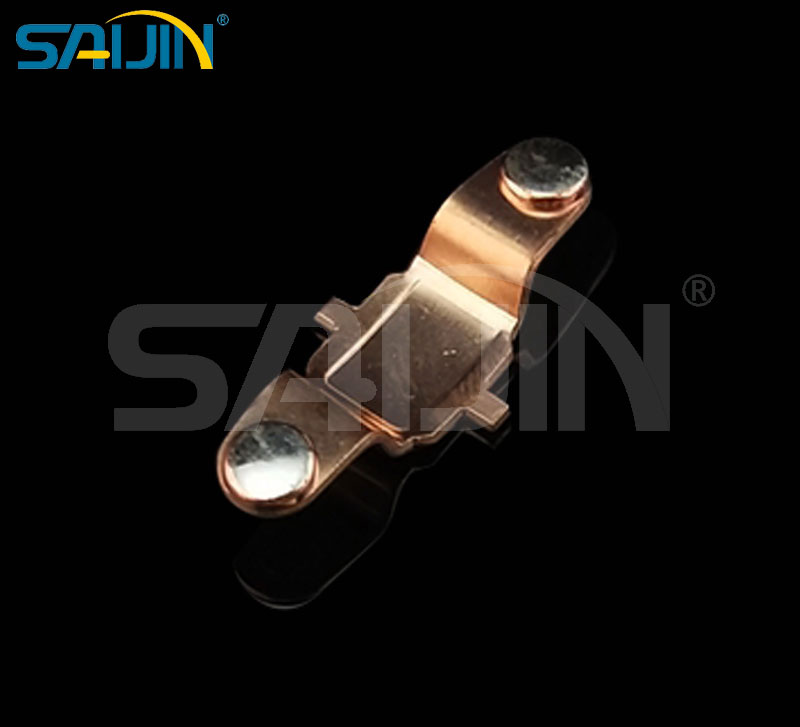
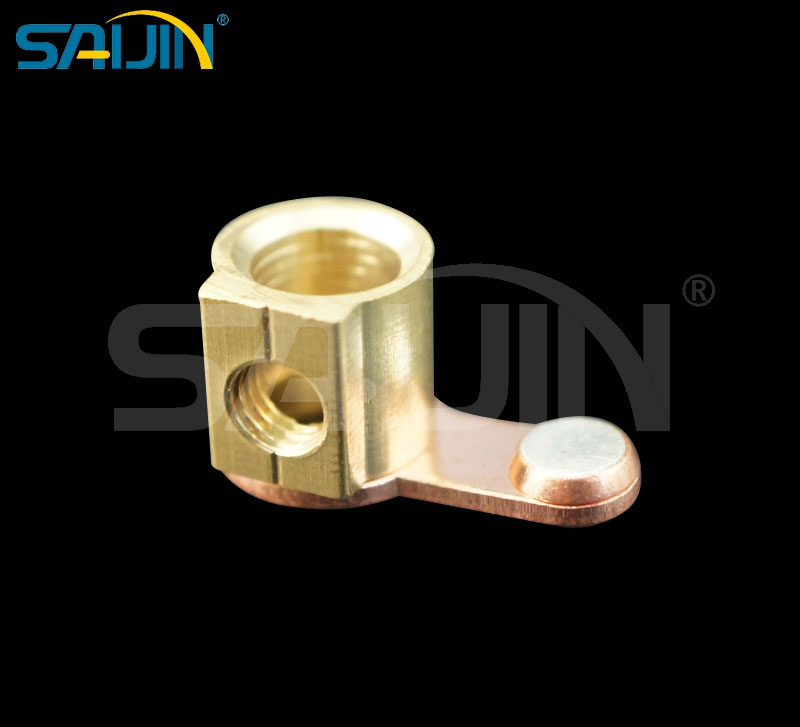
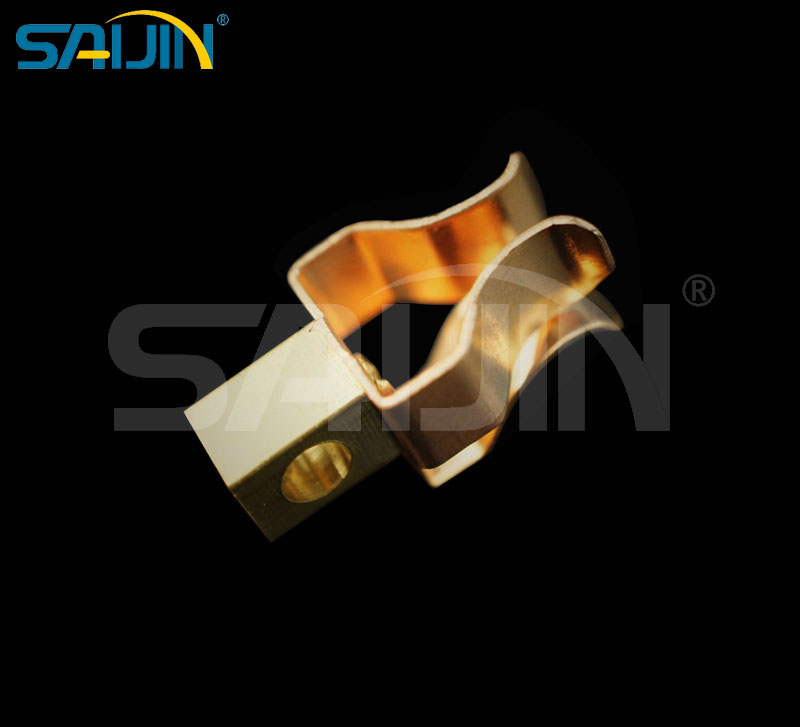
Silver contacts are crucial components in various electrical and electronic devices due to their excellent electrical conductivity, high melting point, and corrosion resistance. Different types of silver contacts are used for different applications, with each type offering unique characteristics suited to specific environments. This article delves into the various characteristics of silver contacts, their applications, and offers a summary and frequently asked questions (FAQ) related to this topic.
Introduction to Silver Contacts
Silver is known for being the best conductor of electricity among all metals, which makes silver contacts a top choice in applications requiring reliable and efficient electrical performance. Silver contacts are widely used in switches, relays, connectors, and circuit breakers, among other devices.
Characteristics of Different Silver Contacts
Silver contacts can be classified into several types, each offering specific advantages depending on the application. The main types are:
-
Pure Silver Contacts:
Pure silver contacts are made from 99.9% pure silver and are the best conductor of electricity. They offer low electrical resistance and excellent long-term reliability. However, pure silver is softer and prone to wear and oxidation under high temperatures. -
Silver Alloy Contacts:
To address the limitations of pure silver, alloys are often used. Silver alloy contacts are typically mixed with metals like copper, nickel, or palladium to enhance strength, hardness, and oxidation resistance. These contacts are more durable and are suitable for high-load applications. -
Silver Cadmium Oxide Contacts:
These contacts are typically used in high-current applications, as the cadmium oxide helps improve the contact’s resistance to welding and arcing. Silver-cadmium oxide contacts are common in industrial and automotive applications due to their ability to handle high temperatures and electrical load. -
Silver Nickel Contacts:
Silver nickel contacts are made by combining silver and nickel, offering increased strength and resistance to wear and corrosion. These contacts are ideal for environments where resistance to corrosion is crucial, such as in marine or harsh industrial settings. -
Silver Tin Oxide Contacts:
These contacts combine silver with tin oxide to offer a balance between electrical conductivity and durability. They are often used in relays, switches, and circuit breakers, providing reliable operation even under high power conditions.
Applications of Silver Contacts
The unique properties of silver contacts make them indispensable in various industries. Some common applications include:
-
Switches and Relays:
Silver contacts are widely used in mechanical switches and relays for controlling electrical circuits. Their high conductivity ensures that the circuit can operate with minimal energy loss, and their durability allows for long-lasting performance. -
Automotive and Electric Vehicles:
Silver contacts are crucial in automotive electronics, especially in starter motors, lighting systems, and power relays. Their high reliability and ability to withstand high temperatures make them suitable for automotive applications. -
Telecommunication Equipment:
In communication devices, silver contacts ensure the efficient transfer of electrical signals. Relays and connectors in telecommunications systems benefit from the superior conductivity and corrosion resistance of silver. -
Industrial Control Systems:
Industrial control systems, such as circuit breakers and control panels, rely on silver contacts to manage electrical loads efficiently and ensure safety under heavy loads. -
Consumer Electronics:
In devices like televisions, computers, and home appliances, silver contacts are used in connectors, switches, and relays to ensure smooth operation and reliability.
Conclusion
Silver contacts are essential components in electrical systems, providing unmatched electrical conductivity, durability, and resistance to corrosion. Different silver contact materials offer varying benefits suited to specific applications, ensuring that electrical devices operate efficiently and safely. The choice of silver contact material depends on factors such as the environment, electrical load, and temperature conditions of the application.
FAQ
Q1: Why are silver contacts better than other materials?
Silver has the highest electrical conductivity of all metals, making it the most efficient material for electrical contacts. It also offers high thermal conductivity and resistance to oxidation, which extends the lifespan of electrical components.
Q2: What is the difference between silver-cadmium oxide and silver-nickel contacts?
Silver-cadmium oxide contacts are designed for high-current, high-temperature applications, offering superior arc resistance. Silver-nickel contacts are more suited for environments where resistance to corrosion and wear is essential.
Q3: Can silver contacts be used in high-power applications?
Yes, silver contacts, especially those made with silver alloys like silver-cadmium oxide or silver-tin oxide, are ideal for high-power applications, as they can handle high current loads and temperatures without deteriorating.
Q4: Are silver contacts prone to oxidation?
While pure silver is highly conductive, it can be prone to tarnishing and oxidation over time, especially under high humidity or high-temperature conditions. To combat this, silver contacts are often alloyed with metals like copper or nickel to enhance durability and corrosion resistance.
Q5: How do I choose the right type of silver contact for my application?
The choice of silver contact depends on the specific requirements of your application, such as current load, temperature range, and environmental conditions. Pure silver contacts are ideal for low-load, high-precision devices, while silver alloy contacts or silver-cadmium oxide are better suited for high-current, high-temperature, or industrial applications.