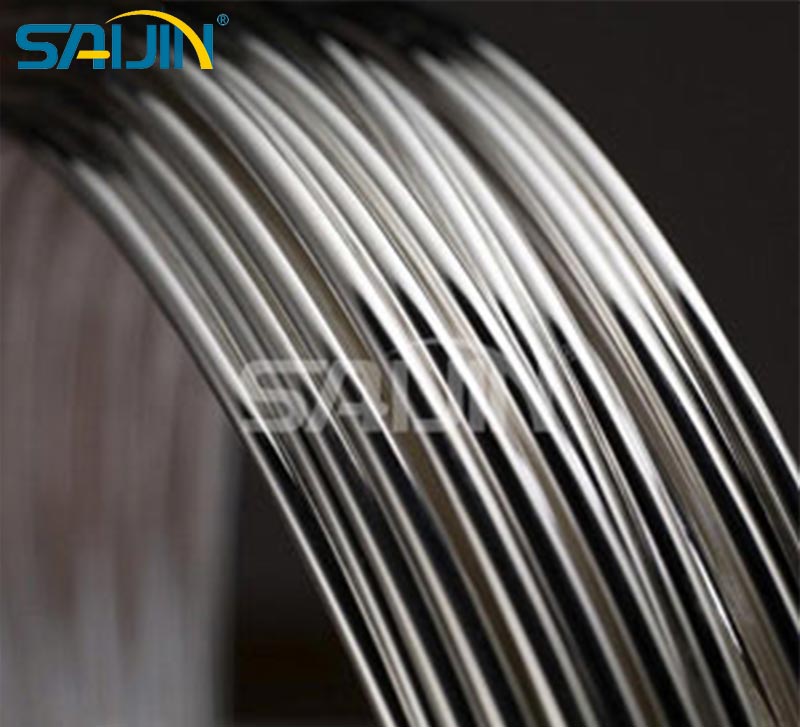
What is silver alloy wire used for?
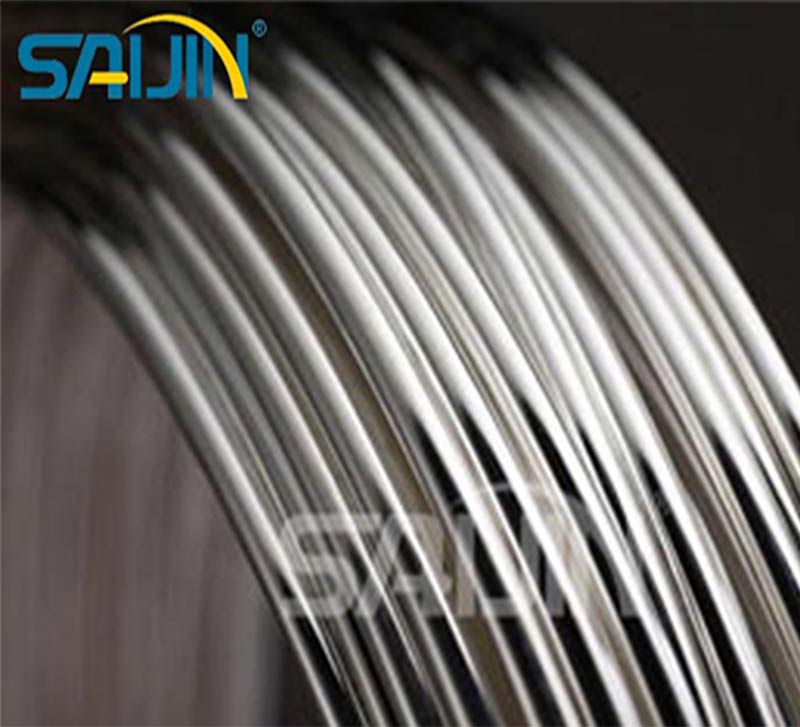
Silver alloy wire, with excellent conductivity and antimicrobial properties, is used in electronics, medical devices, jewelry, sensors, solar panels, aerospace, automotive, and more.
Electrical contact types include stamped/formed, solid rivet, machined, relay-specific designs, and specialized materials—each optimized for cost, durability, precision, switching, or environmental demands...
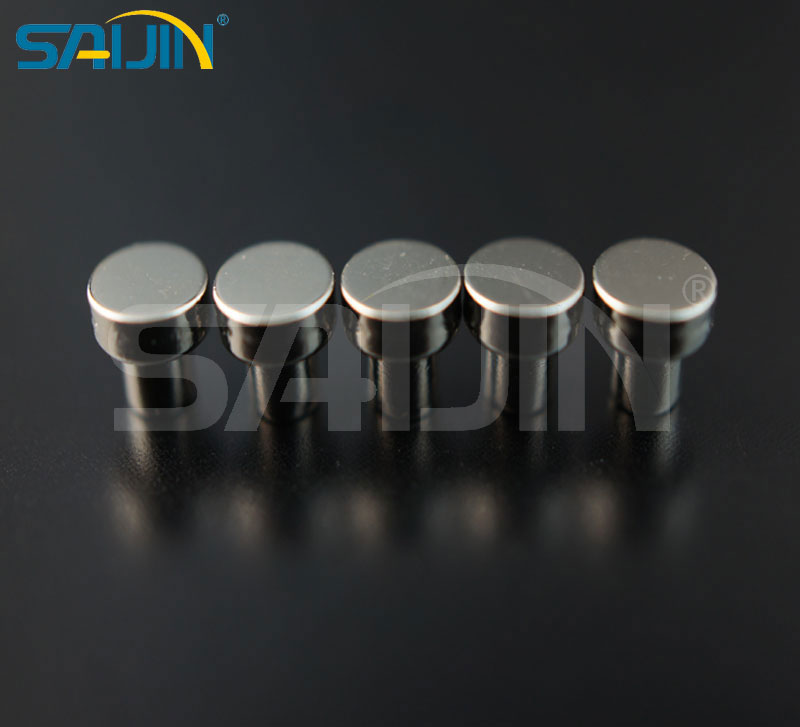
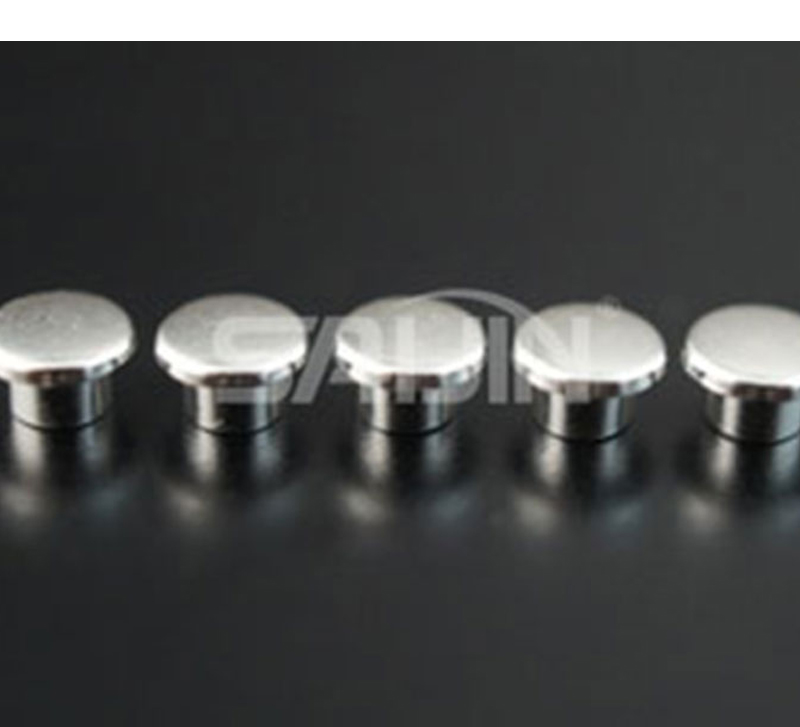
Solid rivets: fully solid, high strength, need more force/access to both sides for heavy loads. Tubular rivets: hollow shank, lower strength, easier one-side install for light loads/thin materials.
Tungsten, often recognized by its chemical symbol "W" (derived from the German word "Wolfram"), is a remarkable silvery-white metal renowned for its exceptional durability, hardness, and resistance to extr...
AgSnO₂, a cadmium-free silver-tin oxide composite, offers high conductivity, arc/wear resistance, and thermal stability, used in alloy wires, welding contacts, aerospace, and industrial electronics.
A hollow rivet is essentially a mechanical fastener used to join two or more materials together. It consists of a head, typically flat or countersunk, and a shank with a hollow interior.
Tungsten rivet types: Solid Tungsten Rivets; Half Hollow Tungsten Contact Rivets; Copper Alloy Tungsten Contacts; Electric Solid Tungsten Point; Electrical Wu Tungsten Contacts.
Solid silver for ultimate performance, silver-clad for the best balance, and specialized silver alloys for enhanced properties like arc resistance and wear.
Alloy wire is made by fusing two or more elements containing at least one metal, and then drawing or extruding them, has better properties than a single metal and is widely used.
Electrical accessories form the backbone of modern power distribution systems, ensuring seamless connectivity, safety, and efficiency across residential, commercial, and industrial applications.
Electrical contacts are fundamental components in countless electrical and electronic systems. They enable the transfer of current between conductors, ensuring devices operate reliably and efficiently. Thi...
The selection of spot welding and projection welding needs to comprehensively consider material properties, structural design and production efficiency. Spot welding occupies a dominant position in thin pl...