China
 Pусский
 Español

 EN
Why Switch to AgSnO2 Electrical Contacts Over AgCdO?
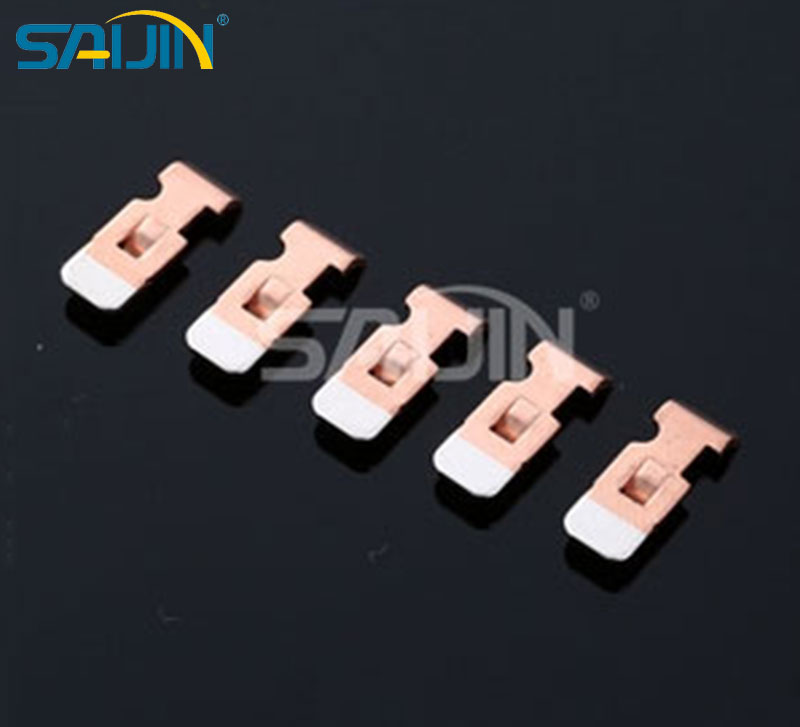
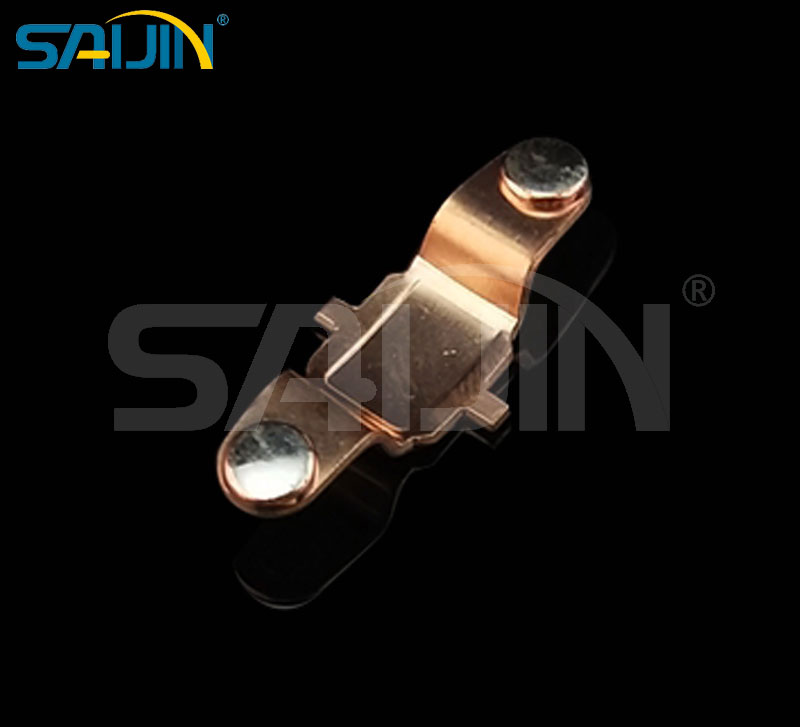
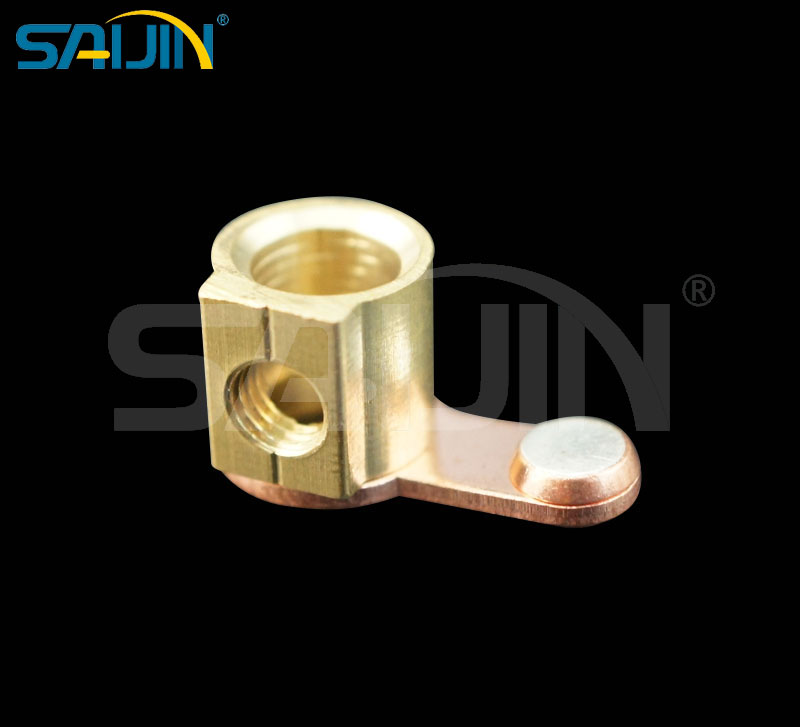
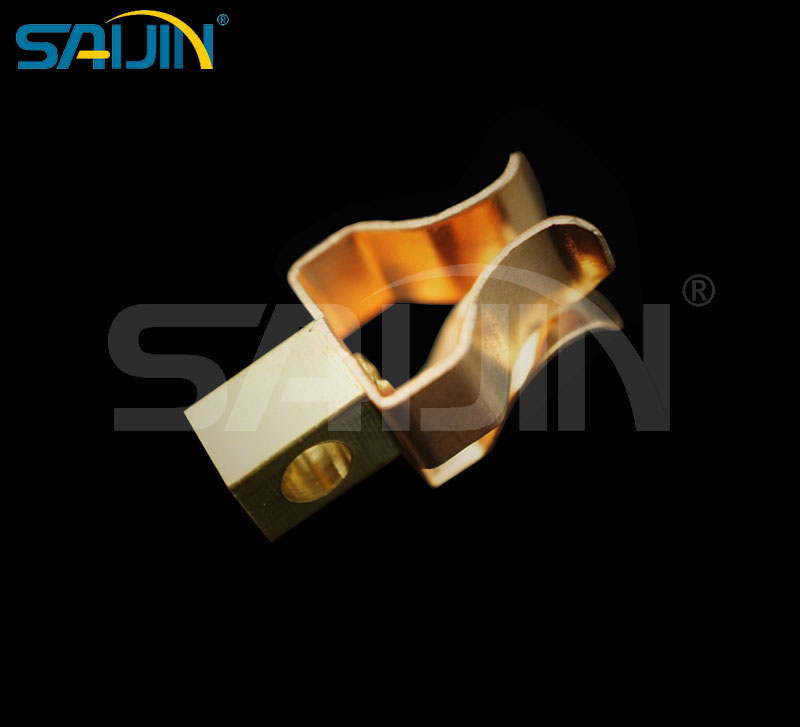
You're specifying contact materials for a relay, contactor, or circuit breaker, and the choice of contact point affects not just performance but also regulatory compliance. An electrical contact point made from cadmium-containing materials faces increasing regulatory restrictions, while AgSnO2 offers a non-toxic alternative that often outperforms AgCdO in demanding applications. The AgSnO2 welding tip electrical contacts from Saijin were engineered as a drop-in replacement: superior resistance to welding and erosion, excellent arc erosion resistance, and better DC transfer performance—all without the environmental and regulatory concerns of cadmium. This article examines why many engineers are switching from AgCdO to AgSnO2—from the material properties that deliver better performance to the regulatory pressures that make the switch necessary.
Questions Engineers Ask About the AgCdO-to-AgSnO2 Transition
Two Transition Concerns—Answered Up Front
Q: How does AgSnO2 compare to AgCdO in terms of performance?
A: AgSnO2 offers higher resistance against welding and erosion than AgCdO material. It also has excellent resistance to electrical erosion and superior DC transfer performance compared to AgCdO, making it particularly well-suited for new automotive and aerospace applications.
Q: What regulatory pressures are driving the switch from AgCdO?
A: AgCdO contains cadmium, which is increasingly regulated under environmental and workplace safety laws. AgSnO2 is non-toxic and environmentally friendly—a critical advantage as regulatory pressure on cadmium-containing materials continues to increase globally.
Performance Comparison — Where AgSnO2 Outperforms AgCdO
Superior Resistance to Welding
AgSnO2 offers higher resistance against welding and erosion than AgCdO material. In switching applications where contacts make and break under load, welding is a common failure mode. AgSnO2's resistance to welding means fewer contact failures and longer device life.
Better DC Transfer Performance
AgSnO2 offers superior DC transfer performance compared to AgCdO. Material transfer in DC operation is low, which is critical for DC switching applications. This makes AgSnO2 particularly well-suited for new automotive and aerospace applications where DC power distribution is common.
Non-Toxic and Regulatory-Ready
Unlike AgCdO, which contains cadmium, AgSnO2 is non-toxic and environmentally friendly. As global regulations increasingly restrict the use of cadmium in electrical components, AgSnO2 provides a compliant alternative that doesn't compromise performance.
Tin Oxide Content Options — Matching the Material to the Application
8%, 10%, and 12% SnO2 for Different Switching Loads
AgSnO2 is available with SnO2 content of 8%, 10%, or 12% by weight. Higher tin oxide content generally provides better arc resistance, while lower content offers higher conductivity. The choice depends on the switching load and frequency of the application. In2O3-doped variants are also available for enhanced performance.
How Additives Improve Contact Performance
By introducing certain additives, AgSnO2 materials produced by powder metallurgy can be modified to maintain low and stable contact resistance and over-temperature behavior over service life. This ensures consistent electrical performance across the contact's service life.
Powder Metallurgy Manufacturing — The Process That Ensures Consistency
Why Sintering and Extrusion Matter
AgSnO2 contacts are manufactured using powder metallurgy techniques (sintering and extrusion) that ensure material consistency and performance. Powder blending, compaction, and sintering, followed by extrusion, drawing, or rolling to final dimensions, ensures that the material's grain structure is uniform.
Internal Oxidation and Pre-Oxidized Methods
The manufacturing process also employs internal oxidation and pre-oxidized manufacturing methods that produce high-quality contact material with fine grain structure and organizational uniformity. This eliminates oxide-lean areas and microscopic defects that could compromise contact performance.

Specifications at a Glance — AgSnO2 Contact Materials
| Material | Ag (wt%) | SnO2 (wt%) | Density ≥g/cm³ | Hardness HB ≥ | Resistance Ratio ≤ μΩ·cm |
|---|---|---|---|---|---|
| AgSnO2(8) | 92.0 | 8.0 | 9.90 | 65 | 2.30 |
| AgSnO2(10) | 90.0 | 10.0 | 9.80 | 70 | 2.40 |
| AgSnO2(12) | 88.0 | 12.0 | 9.70 | 75 | 2.50 |
| AgSnO2(5)In2O3(3) | 92.0 | 5.0 (+3% In2O3) | 9.90 | 70 | 3.20 |
| AgSnO2(8)In2O3(4) | 88.0 | 8.0 (+4% In2O3) | 9.70 | 75 | 3.40 |
| Parameter | AgSnO2(10) | AgSnO2(12) | AgSnO2(15) |
|---|---|---|---|
| SnO2 Content (wt%) | 10±1 | 12±1 | 15±1 |
| Density (g/cm³) | ≥9.90 | ≥9.85 | ≥9.65 |
| Elec. Resistivity (μΩ·cm) | ≤2.20 | ≤2.30 | ≤2.55 |
| Hardness HV (Mpa) | ≥800 | ≥800 | ≥950 |
| Tensile Strength (Mpa) | 230-285 | 230-285 | 250-300 |
| Elongation (%) | 18-30 | 18-30 | 18-30 |
Applications Where the Switch to AgSnO2 Makes the Most Sense
AgSnO2 welding tip contacts serve multiple applications where the transition from AgCdO is particularly beneficial:
AC Contactors and Power AC Switches
In AC contactors (CJ20, CJ40, 3TF series) and power AC switches (≥50KW), AgSnO2 contacts provide the arc erosion resistance needed for frequent switching under heavy loads—without the cadmium content of traditional materials.
DC Contactors and Power Relays
In DC contactors and AC/DC power relays, AgSnO2's low material transfer in DC operation ensures reliable performance over the contact's service life. This makes it particularly suitable for automotive and aerospace DC power systems.
Low-Voltage Circuit Breakers and Switches
In low-voltage circuit breakers and various switches, AgSnO2 contacts provide the combination of high hardness, resistance to welding, and arc erosion resistance that these applications demand—all in a non-toxic package.
Straight Answers on AgSnO2 vs. AgCdO
Q: Why are engineers switching from AgCdO to AgSnO2?
A: AgCdO contains cadmium, which is increasingly regulated. AgSnO2 offers higher resistance against welding and erosion than AgCdO, superior DC transfer performance, and is non-toxic and environmentally friendly.
Q: What performance advantages does AgSnO2 offer?
A: AgSnO2 offers high hardness, resistance to welding, high arc erosion resistance, and low and stable contact resistance over service life.
Q: What tin oxide content options are available?
A: AgSnO2 is available with 8%, 10%, and 12% SnO2 content. In2O3-doped variants are also available.
Q: How are AgSnO2 contacts manufactured?
A: AgSnO2 contacts are manufactured using powder metallurgy techniques (sintering and extrusion), as well as internal oxidation and pre-oxidized methods.
Q: Who manufactures these contact points?
A: The products are manufactured by Wenzhou Saijin Electrical Alloy Co., Ltd. , established in 1998 and specializing in contact rivets, contact points, contact components, electrical accessories, and silver alloy wires.
Request a Quote for Your Contact Application
An electrical contact point that offers a non-toxic alternative to AgCdO without compromising performance is the smart choice for engineers facing increasing regulatory pressure. The AgSnO2 welding tip electrical contacts from Saijin deliver superior resistance to welding and erosion compared to AgCdO, non-toxic and environmentally friendly composition for regulatory compliance, powder metallurgy manufacturing for consistent material properties, and multiple SnO2 content options to match your specific switching requirements.
Whether you're designing AC contactors, DC contactors, power relays, or circuit breakers, AgSnO2 welding tip contacts offer the performance and compliance that electrical engineers require. With over 20 years of expertise in electrical alloy manufacturing and customizable solutions available, Saijin provides the technical support to help you make the transition.
Contact Saijin for a quote or technical consultation → their team can help you select the right AgSnO2 composition, geometry, and manufacturing process for your specific switching application requirements. Get contact points that deliver reliable performance—without the regulatory risk.