China
 Pусский
 Español

 EN
How Does Tungsten Protect Your Electrical Contacts from Arcing?
You're designing a switching device that must handle thousands of operations under extreme conditions—high current surges, mechanical vibration, and elevated temperatures. The contact material is the single most critical factor determining whether the device lasts or fails. A tungsten rivets contact is built for exactly that: low current consumption, strong on-off current capability, good wear resistance, and excellent dynamic impact performance. Tungsten contact rivets are commonly used in assemblies that require high strength, durability, and resistance to extreme conditions. This guide covers the key material properties, common applications, and selection criteria—so you can evaluate whether tungsten rivet contacts are the right choice for your high-stress switching application.
What Tungsten Brings to Electrical Contacts
Tungsten is a refractory metal with an exceptionally high melting point—3400°C—and outstanding hardness. These properties make it ideal for electrical contacts that must withstand severe arcing and mechanical wear. Tungsten rivets offer low current consumption, strong on-off current capability, good wear resistance, and dynamic impact performance. Unlike silver or copper contacts that can soften or vaporize under heavy arcing, tungsten remains stable.
Tungsten vs. Silver – The Arc Resistance Advantage
Silver offers excellent conductivity but vaporizes under intense arcing. Tungsten, with its extremely high melting point and hardness, can withstand massive arc energy without degrading. In high-voltage circuit breakers, a tungsten contact must withstand a single fault current of 10,000A or more. The arc energy is massive, enough to vaporize silver—but tungsten holds firm.
Material Purity and Hardness
High-purity tungsten contacts are manufactured with a composition of ≥99.95% W, grain numbers of 10,000-20,000 PCS/mm², a density of ≥19.0 g/cm³, and hardness of 680 HV (Mpa). This extreme hardness—far exceeding that of copper or silver—ensures the contact resists deformation even under repeated high-force impacts.
Applications Across Industries
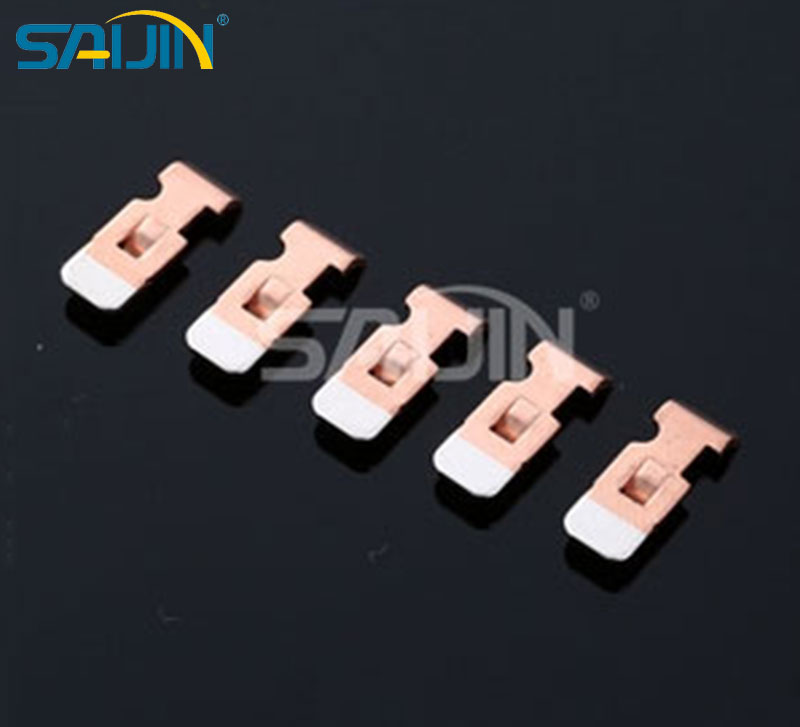
Tungsten contact rivets are found wherever electrical contacts must endure severe switching conditions. Common applications include automobiles, motorcycles, electric horns, magneto motors, relays, and switchgear.
Automotive and Motorcycle Horns
In automotive horns, contacts are subjected to rapid, high-frequency switching under vibration and temperature extremes. Tungsten rivets provide the durability needed for reliable performance even in high-stress environments. Tungsten's hardness and arc resistance make it the preferred material for horn contacts.
Relays and Switchgear
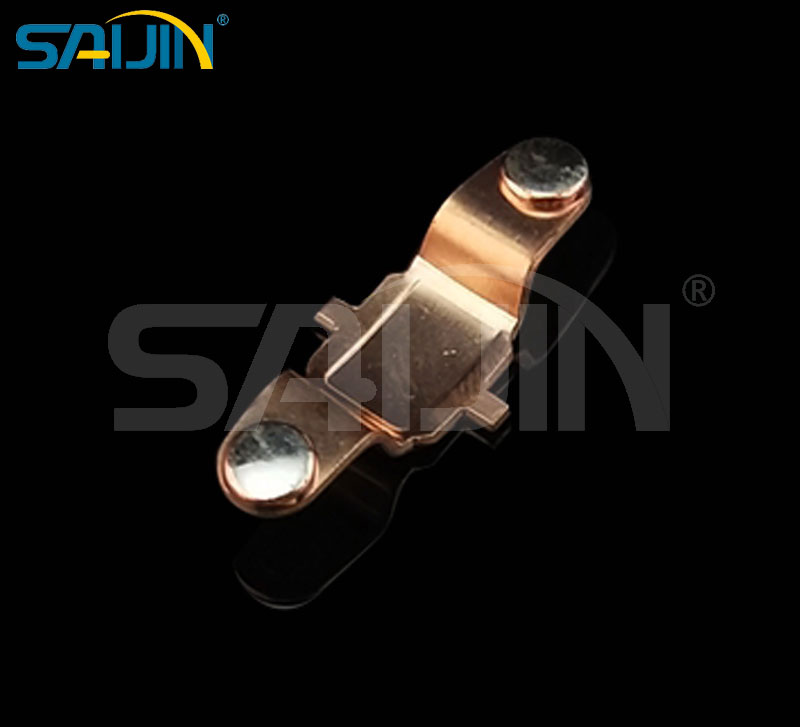
Relays and switchgear require consistent connections in high-voltage systems. Tungsten contact rivets ensure reliable performance under repeated switching, with low material transfer and strong separability. Their resistance to fusion welding and electrical corrosion makes them suitable for demanding switching applications.
Battery Management Systems and EV Applications
Half-hollow tungsten contact rivets ensure ultra-stable electrical connections in battery modules, enabling precise BMS voltage monitoring, enhanced thermal safety, and long-term reliability—critical for high-performance systems like EVs and grid storage.
Key Benefits – Why Engineers Specify Tungsten
Tungsten rivet connections offer a range of advantages that make them the preferred choice for demanding electrical contact applications.
High Strength and Hardness
Tungsten is a high-density metal that, when alloyed, can be made into rivets with extremely high strength. This allows tungsten rivets to withstand greater tension and shear forces, ensuring connection stability. Their high hardness means they maintain a long service life in high-stress or wear environments and are not prone to deformation or breakage.
Corrosion and Heat Resistance
Tungsten alloy rivets generally have good corrosion resistance, maintaining connection stability in humid and corrosive environments. In high-temperature environments where many materials soften or deform, tungsten rivets maintain the strength and stability of the connection.
Cost-Effectiveness
Tungsten points are arc-resistant and have less current consumption when the metal contact is on the surface, with strong on-off current capability, good wear properties, and dynamic performance. They are cheaper than other metals or alloy materials.
Product Configurations – Screw Type and Custom Options
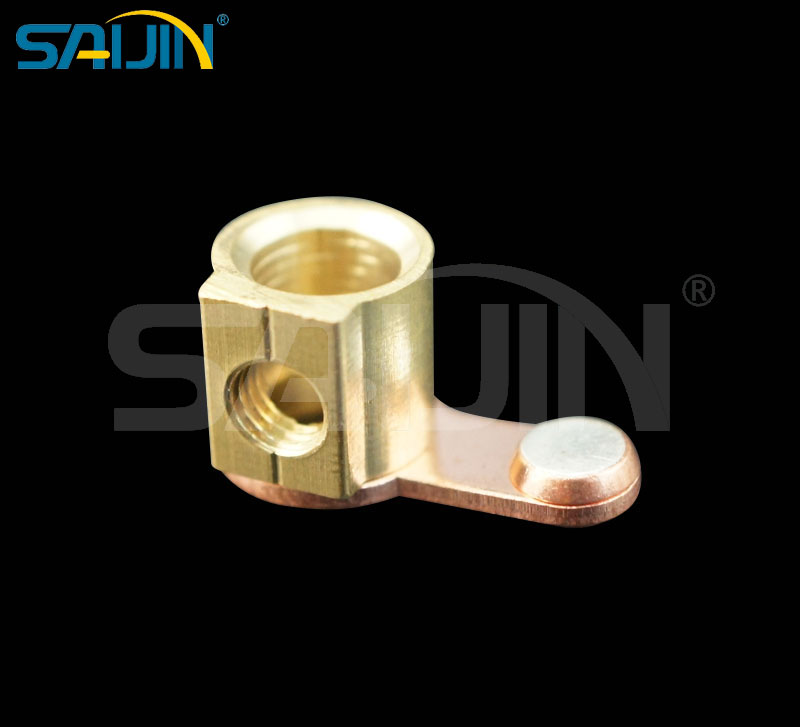
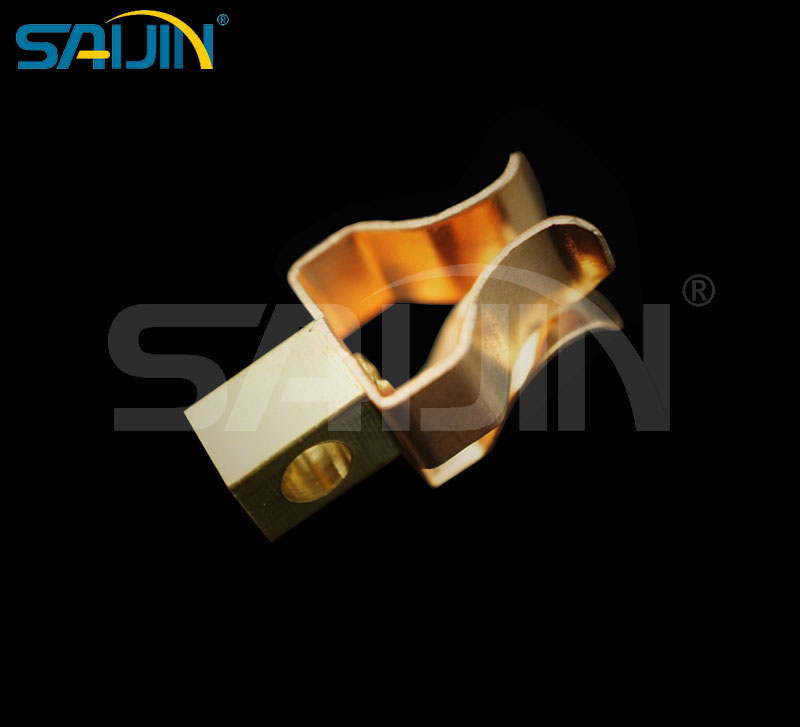
The product range includes screw-type electrical tungsten contacts with standard and custom configurations. Saijin offers screw-type tungsten contacts with customizable dimensions and material compositions.
Standard Shapes and Dimensions
Standard configurations include shank diameters of Φ1.5, Φ2.0, Φ2.5, and Φ3.0 with head diameters of 3, 3.5, 4, 5, and 6mm. Tolerances are held to ±0.10mm for head diameter, ±0.05mm for head thickness, and ±0.15mm for shank length.
Customization Services
Saijin provides customized tungsten rivets with technical support and consulting, sample verification, and production flexibility. The R&D team is committed to innovation and technological breakthroughs.
Quality Assurance and Manufacturing Standards
Quality control is essential for critical contact components. Saijin's quality inspection process includes material hardness testing, assembly line random inspection, automatic contact detection equipment, projection detection, and quality inspection screening.
Certifications
Saijin's products meet EU RoHS and REACH requirements with complete certificates, ensuring compliance with global environmental and safety regulations.
Manufacturing Process
Tungsten rivets are manufactured from high-purity tungsten powder, which is put into a mold of the desired rivet shape. High pressure compresses the powder, reducing porosity and increasing density.
| Property | Specification | Why It Matters |
|---|---|---|
| Material | ≥99.95% W | High purity ensures consistent performance |
| Grain number | 10,000-20,000 PCS/mm² | Fine grain structure improves wear resistance |
| Density | ≥19.0 g/cm³ | High density contributes to durability |
| Hardness | 680 HV (Mpa) | Withstands deformation under impact |
| Head diameter tolerance | ±0.10mm | Ensures consistent fit |
| Head thickness tolerance | ±0.05mm | Precision for reliable assembly |
| Shank length tolerance | ±0.15mm | Accurate installation |
| Shank diameter tolerance | -0.02 to -0.10mm | Ensures secure riveting |

What Engineers Ask About Tungsten Contact Rivets
What is the main advantage of tungsten over silver for electrical contacts?
Tungsten has an extremely high melting point (3400°C) and hardness, allowing it to withstand severe arcing that would vaporize silver contacts. In high-voltage circuit breakers, tungsten contacts can handle a single fault current of 10,000A or more.
What is the typical hardness of a tungsten rivet?
Tungsten rivets have a hardness of 680 HV (Mpa) with a density of ≥19.0 g/cm³. This extreme hardness ensures the contact resists deformation under repeated impacts.
What applications are tungsten rivets best suited for?
Tungsten rivets are commonly used in automobiles, motorcycles, electric horns, magneto motors, relays, and switchgear. They are also used in battery management systems for EVs and grid storage.
Are custom sizes available?
Yes. Saijin provides custom tungsten rivets with technical support, sample verification, and production flexibility.
Need Tungsten Contacts That Last? Let's Find Your Fit
Selecting tungsten contact rivets comes down to three factors: arc severity (match the switching condition), mechanical load (match the vibration and impact environment), and dimensional requirements (match your assembly specifications). Contact Saijin for technical support and samples → —their team can help you select the right tungsten rivet configuration for your specific application.
Saijin (Wenzhou Saijin Electrical Alloy Co., Ltd.) has over 20 years of service experience in manufacturing electrical contact components. The Screw type Electrical Tungsten Contacts are available in standard dimensions with customizable options. Material properties include ≥99.95% W composition, 10,000-20,000 PCS/mm² grain number, ≥19.0 g/cm³ density, and 680 HV hardness. Saijin's products meet EU RoHS and REACH requirements with complete certificates. Applications include automobiles, motorcycles, electric horns, magneto motors, relays, switchgear, and battery management systems. Connect with Saijin to discuss your tungsten contact material requirements, dimensional specifications, and application conditions.