China
 Pусский
 Español

 EN
How Does a Silver Rivet Contact Improve Electrical Connections?
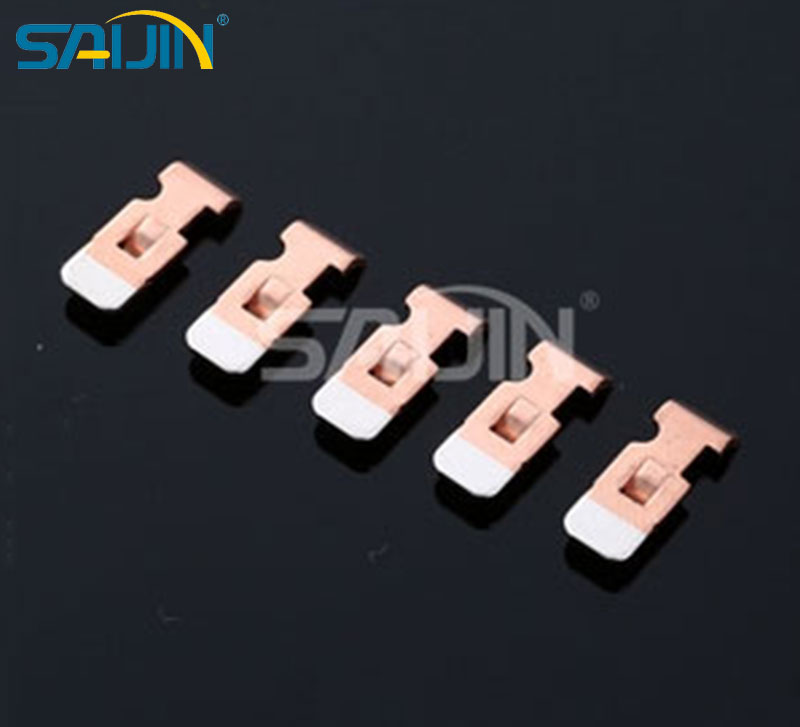
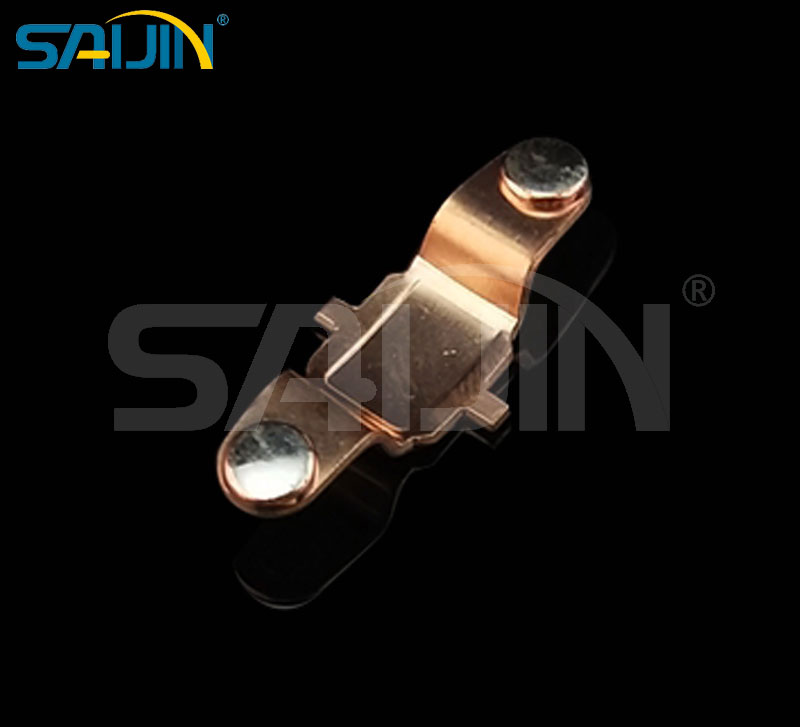
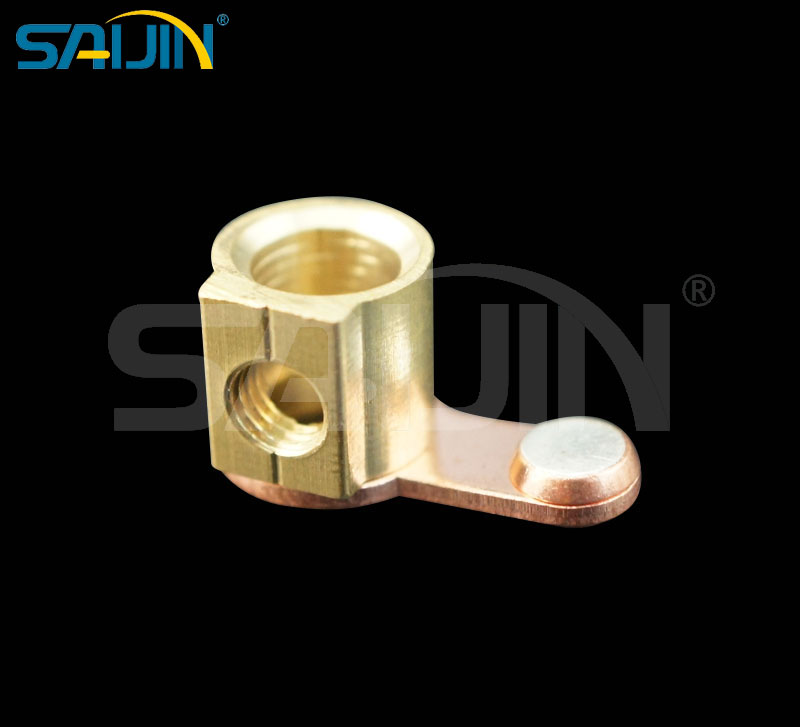
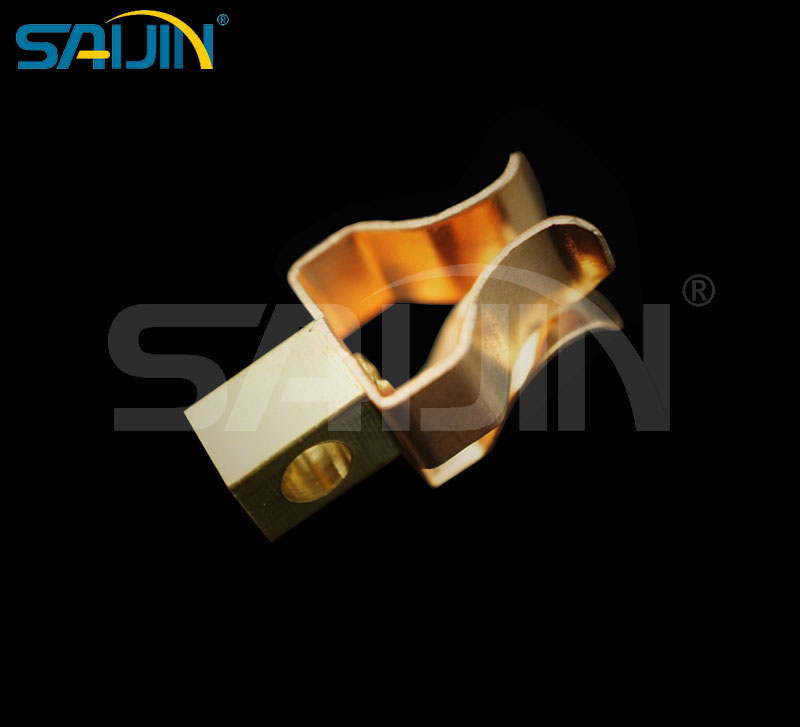
You're specifying contact components for a switch, relay, or contactor, and the connection needs to handle repeated cycles without failing. A silver rivet contact that wears out quickly or develops high resistance over time becomes the weakest link in your electrical system. The semi-hollow brass rivet with silver contact from Saijin was engineered with reliability in mind: a silver-copper composite structure that combines excellent conductivity with mechanical strength, and a semi-hollow design that ensures secure riveting into the base component. This article walks through what makes this contact rivet genuinely effective—from the silver layer that provides low-resistance switching to the copper base that offers structural support.
Questions Electrical Engineers Ask About Contact Rivets
Two Practical Concerns—Answered Up Front
Q: What makes a silver rivet contact different from a solid silver contact?
A: A silver rivet contact is a composite component where a silver or silver-alloy layer is bonded to a copper or brass rivet body. This combines the excellent conductivity of silver with the mechanical strength and lower cost of the copper base. Solid silver contacts offer higher conductivity but are more expensive and less mechanically robust.
Q: What applications are these rivet contacts suitable for?
A: Silver rivet contacts are widely used in switches, relays, contactors, thermostats, circuit breakers, and other low and medium voltage electrical appliances. They're also found in automotive electrical equipment and household appliances.
Silver-Copper Composite — The Best of Both Materials
The silver rivet contact uses a silver-copper composite structure where a silver layer is bonded to a copper or brass rivet body. This isn't a compromise—it's a deliberate design that leverages the strengths of both materials.
Silver — Conductivity That Minimizes Resistance
Silver offers the highest electrical conductivity of any metal and provides superior resistance to welding and arcing compared to many other metals. The silver layer provides the necessary electrical contact surface, ensuring low resistance and reliable current flow.
Copper — Strength That Supports the Connection
The copper or brass base provides mechanical strength and structural support. When the rivet is pressed into the base component, the copper body withstands the mechanical stress of riveting, ensuring a permanent, robust connection.
Semi-Hollow Design — The Structure That Ensures Secure Riveting
The semi-hollow brass rivet design serves a specific purpose: it enables reliable mechanical fastening into the conductive base material.
What Semi-Hollow Means in Practice
A semi-hollow rivet has a partial cavity at the shank end, which allows the rivet to deform and expand when pressed into the base material. This expansion creates a permanent mechanical lock that won't work loose under vibration or thermal cycling.
Long Shank for Thicker Assemblies
The long shank design allows the rivet to penetrate deeper into the base component, providing greater holding power for thicker assemblies. This is particularly valuable in applications where the contact needs to withstand repeated mechanical actuation.
Key Performance Characteristics — What the Specs Actually Mean
The performance of a silver rivet contact is defined by several key characteristics that determine its suitability for different applications.
Low and Stable Contact Resistance
The silver layer provides a low-resistance interface that remains stable over time. Unlike materials that oxidize and increase resistance, silver maintains its conductivity, ensuring consistent electrical performance throughout the component's life.
Resistance to Welding and Arcing
Silver offers superior resistance to welding and arcing compared to many other metals. In switching applications where contacts make and break under load, this resistance prevents the contacts from welding together or eroding prematurely.
Mechanical Durability
The composite structure—silver on copper—provides the mechanical strength to handle repeated electrical mating and unmating cycles. The copper base absorbs the mechanical stress of actuation while the silver surface maintains electrical performance.

Types of Silver Rivet Contacts — Choosing the Right Configuration
Silver rivet contacts are available in several configurations to suit different application requirements.
| Type | Construction | Best For | Key Advantage |
|---|---|---|---|
| Solid Silver | Entirely from solid silver | High-current systems | Highest conductivity |
| Silver-Alloy (AgNi, AgZnO, etc.) | Silver alloyed with nickel, zinc oxide, etc. | Frequent switching, relays, contactors | Better wear resistance, arc quenching |
| Composite (Ag/Cu) | Silver layer bonded to copper/brass body | Consumer electronics, general switching | Cost-effective, good conductivity |
| Plated Silver | Thin silver plate on base metal | Low to medium current, cost-sensitive | Lowest cost |
Where Silver Rivet Contacts Are Deployed
Silver rivet contacts are used across multiple industries where reliable electrical switching is essential:
Switches and Relays
In switches and relays, the contact rivet is the point where the circuit makes or breaks. The silver layer provides the low-resistance contact surface, while the copper body provides the mechanical attachment to the switching mechanism.
Contactors and Circuit Breakers
Contactors and circuit breakers handle higher currents and more demanding switching conditions. Silver-alloy contacts with improved arc-quenching properties are often specified for these applications.
Thermostats and Temperature Controllers
In thermostats and temperature controllers, the contact must maintain consistent performance across temperature variations. The silver-copper composite structure provides the thermal and electrical stability required for these applications.
Automotive Electrical Equipment
Automotive applications demand contacts that can withstand vibration, temperature extremes, and frequent switching. Silver rivet contacts are widely used in automotive electrical systems.
Straight Answers on Silver Rivet Contacts
Q: What is a silver rivet contact?
A: A silver rivet contact is an electrical contact component where a rivet made from silver or a silver-based alloy is mechanically fastened into a conductive base material, typically copper or a copper alloy.
Q: What are the main types of silver rivet contacts?
A: The main types include solid silver rivet contacts, silver-alloy rivet contacts, composite silver rivet contacts (silver on copper/brass), and plated silver rivet contacts.
Q: What materials are used in composite silver rivet contacts?
A: Composite silver rivet contacts combine a silver layer bonded to a copper or brass rivet body.
Q: What are the advantages of a silver-copper composite rivet?
A: It combines the excellent electrical conductivity of silver with the lower cost and better mechanical properties of the copper base.
Q: What applications are silver rivet contacts used in?
A: They are used in switches, relays, contactors, thermostats, circuit breakers, automotive electrical equipment, and household appliances.
Request a Quote for Your Contact Rivet Project
A silver rivet contact that combines reliable conductivity, mechanical durability, and secure fastening is the foundation of any well-designed switching component. The semi-hollow brass rivets with silver contacts from Saijin deliver silver-copper composite construction, semi-hollow design for secure riveting, and the performance characteristics that electrical engineers require—low and stable contact resistance, resistance to welding and arcing, and mechanical durability for repeated switching cycles.
Whether you're specifying contacts for switches, relays, contactors, or thermostats, Saijin offers the material expertise and manufacturing capability to deliver contact rivets that meet your exact specifications. With extensive experience in producing contact rivets, contact points, and electrical accessories, Saijin is a reliable partner for your electrical component needs.
Contact Saijin for a quote or technical consultation → their team can help you select the right material composition, rivet type, and dimensions for your specific switching application requirements. Get a contact rivet that delivers reliable performance every time.