China
 Pусский
 Español

 EN
Are Precious Metal Composite Strip-Stamping Parts Right for Your Design?
You‘re designing a switch, a relay, or a connector. The electrical contacts need to perform reliably over thousands of cycles—but using solid silver or gold for every contact point is expensive and wasteful.
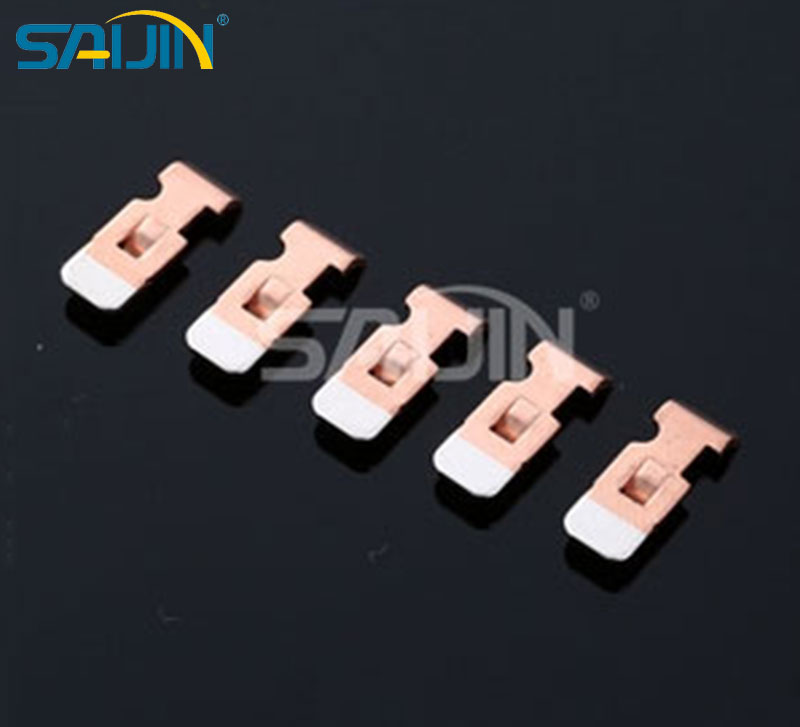
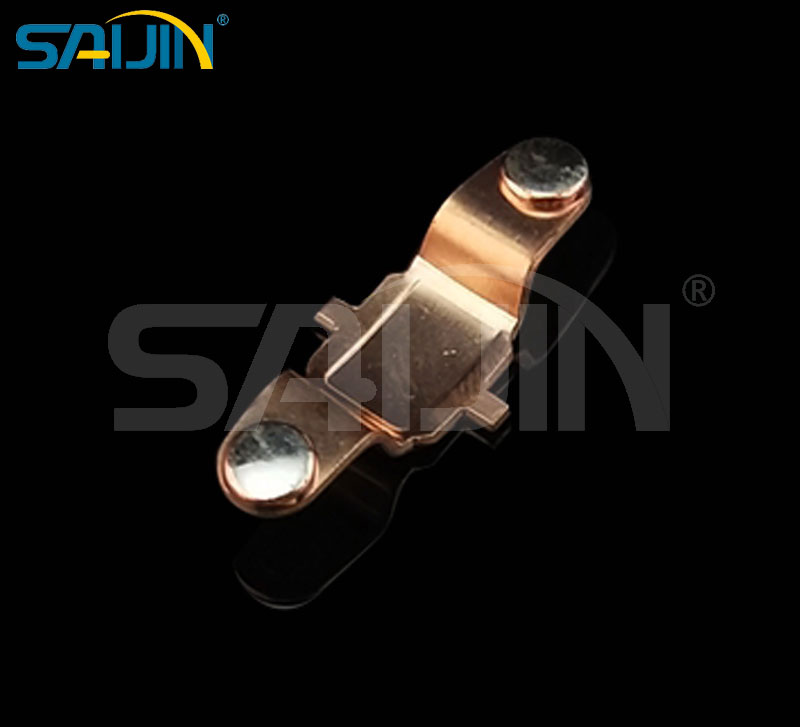
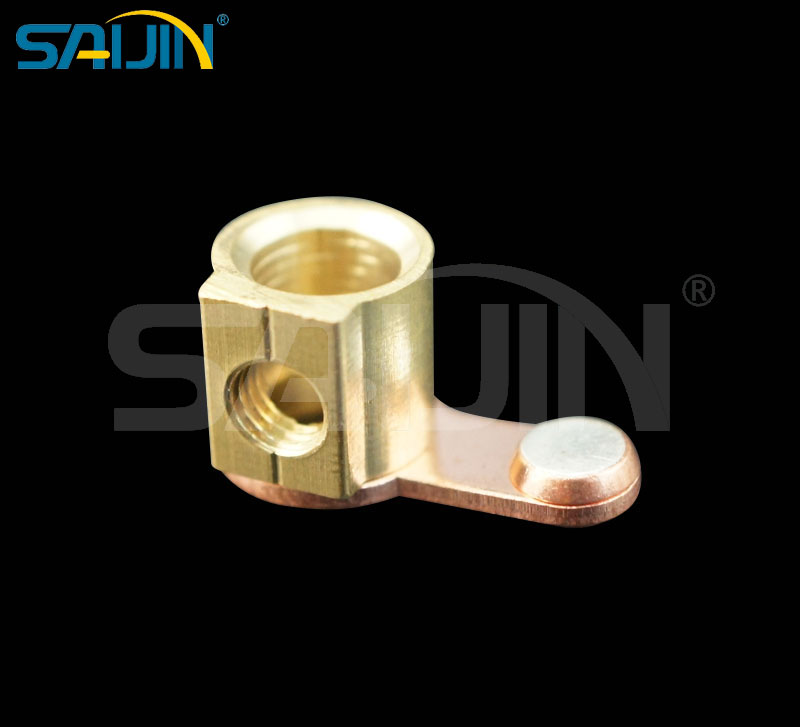
That’s where a Precious Metal Composite Strip-Stamping Parts solution comes in. These components use advanced thermal composite molecular diffusion technology to bond a thin layer of precious metal onto a base substrate. The result: the electrical performance of solid precious metal on the contact surface, with the structural strength and cost efficiency of a base material underneath.
This guide covers why composite stampings outperform solid contacts, the materials available, the applications they serve, and how to specify them for your project.
Why Composite Beats Solid Precious Metal
The concept is simple: put precious metal only where it‘s needed—on the contact surface—and use a less expensive, structurally stronger material everywhere else.
Electrical Performance at Lower Cost
A silver inlay stamping part delivers solid-silver performance on the contact surface at a lower cost. The precious metal layer—typically silver, silver alloy, gold, or gold alloy—provides the low contact resistance, high conductivity, and arc resistance that electrical contacts require. The base material provides mechanical strength, formability, and cost efficiency.
Superior Wear Resistance
The composite effect produces very useful comprehensive performance, especially the electrical properties and wear resistance. The precious metal layer is bonded metallurgically—not just plated—which means it won’t peel, flake, or wear through as quickly as electroplated surfaces.
Saving Precious Metal, Reducing Cost
By using precious metal only where it‘s needed, composite stampings save precious metals and reduce product costs. For high-volume production—switches, relays, connectors—this cost saving adds up significantly without compromising performance.
Materials That Match Your Application
The flexibility of material combinations is one of the key advantages of composite stampings.
Precious Metal Surface Layers
The contact surface can be specified in a range of precious metals and alloys: silver, silver nickel, silver copper, silver cadmium oxide, silver tin oxide, gold, gold alloy, palladium, and palladium alloys. Each alloy offers different properties for different applications—silver nickel for general-purpose switching, silver tin oxide for high-current applications, gold for low-signal reliability.
Base Substrate Materials
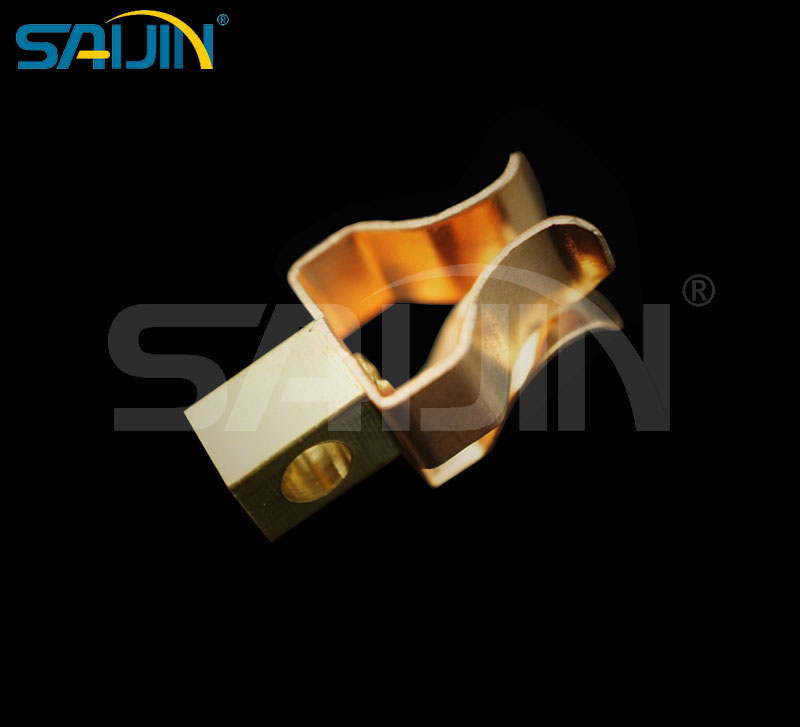
The base material provides structural support and connects to the circuit. Options include copper, brass, phosphor bronze, beryllium copper, nickel silver, nickel, iron, and stainless steel. The choice affects formability, spring properties, and solderability.
Composite Configurations
The precious metal layer can be applied in multiple configurations: single-side cladding, double-side cladding, three-layer cladding, inlay, full back cover, side composite, and composite with stamping. This flexibility allows you to match the component design to your specific performance and manufacturing requirements.

From Strip to Component – The Technical Story
Understanding how these components are made helps you appreciate their value.
Thermal Composite Molecular Diffusion Technology
The bonding process is critical. The company uses advanced thermal composite molecular diffusion technology to roll precious metal and base metal together into a single, metallurgically bonded strip. This is not electroplating—the metals are actually fused at the molecular level, creating a bond that won‘t separate under stress or thermal cycling.
Precision Stamping
Once the composite strip is formed, it’s fed into high-precision stamping dies. The stamping process completes the blanking in a single clamping, ensuring dimensional accuracy and consistency across high-volume production. Components can be produced with thickness tolerances as tight as ±0.003mm for high-precision applications.
Quality Inspection
Every component undergoes rigorous quality inspection: material hardness testing, assembly line random inspection, automatic contact detection equipment, projection detection, and quality inspection screening. This multi-stage process ensures that every part meets the dimensional accuracy, durability, and long life required for electrical applications.
Where These Components Are Used
Precious metal composite strip-stamping components are found in a wide range of electrical and electronic products.
Switches and Wall Sockets
The primary application is in wall switches, protectors, thermostats, and socket connectors. The silver contact surface provides reliable switching over thousands of cycles.
Relays and Circuit Breakers
Relays, miniature switches, circuit breakers, and connectors all rely on these components for their contact functions. The composite design provides the electrical performance needed for both signal-level and power-level switching.
Micro-Motors and Commutators
Micro-motor brushes and commutators use composite stampings to provide the sliding contact surfaces that transfer power to rotating components.
Automotive and Electronic Applications
Automotive electrical components, tuners, and other electronic devices also use these components. The combination of performance and cost efficiency makes them suitable for high-volume automotive production.
What Design Engineers Ask About Composite Stampings
What’s the difference between a composite stamping and an electroplated contact?
Electroplating applies a thin layer of precious metal to the surface—typically 1-5μm. A composite stamping bonds a thicker layer—typically 0.01-1.0mm—using metallurgical bonding. The composite won’t peel or wear through as quickly, and it provides more consistent electrical performance over the life of the component.
Can I specify custom materials and dimensions?
Yes. Components can be customized according to customer drawings and requirements. Surface layer thickness ranges from 0.01-1.0mm, substrate thickness from 0.1-8.0mm, and the composite strip width from 5-150mm.
What‘s the minimum silver layer thickness for reliable performance?
For most switching applications, a silver layer of ≥5μm provides reliable performance. For higher-current or more demanding applications, thicker layers are available. The R&D team can recommend the optimal thickness for your specific application.
Does the composite meet environmental regulations?
Yes. All products meet EU RoHS and REACH requirements, with complete certificates available.
Customization That Starts with Your Drawing
Every application has unique requirements. The right supplier works with you to match the material, configuration, and dimensions to your specific needs.
Saijin has been manufacturing electrical components for more than 20 years. The company offers a one-stop product range covering various contact types and materials, with over 20 sales and service outlets. Customization services include technical support and consulting, sample verification, and production flexibility.
The R&D team is committed to innovation and technological breakthroughs, while the production team focuses on efficient production and quality control. For engineers and procurement professionals, Saijin provides the product quality, manufacturing capability, and technical support that demanding electrical applications require.
Start Your Precious Metal Component Project Here
The right contact material makes the difference between a component that performs reliably and one that fails prematurely. If you’re designing switches, relays, or connectors that need consistent electrical performance over thousands of cycles, composite stampings offer the performance of precious metal at a fraction of the cost.
Reach out to Saijin‘s team —share your drawings, specifications, or application requirements. They’ll help you select the right material combination, provide sample verification, and deliver custom designs that fit your exact needs.